
Risk Management
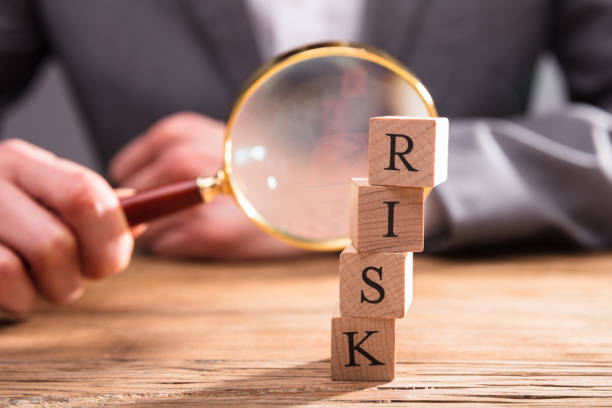
Risk is about uncertainty and anything that might negatively affect your project or group, from bad weather to legal issues to losing key staff or running out of money. Risk management is about identifying potential issues that might go wrong, assessing their potential impact, and understanding how to respond and prepare in a considered and thoughtful way.
All community and non-profit groups face risk in one way or another, and being too risk-averse can also lead to missed opportunities and failing to reach your objectives, so the aim is to find the right balance.
The board’s role in risk
Boards are ultimately accountable for the performance of an organisation, so they play a key role in risk management. This includes:
- Setting how much risk is acceptable (often called risk appetite)
- Ensuring risks are regularly identified, reviewed and monitored
- Putting clear policies and boundaries in place
- Receiving regular updates on significant risks and how they’re being managed
- Making sure there are contingency plans for risks that can’t be controlled
Keep it practical
Effective risk management doesn’t need to be overly complicated. Start simple:
- Focus on the most significant risks and write these down in order of importance or probability
- Think about ways to avoid them (if possible) or at least minimise them
- Review regularly as your organisation changes
Toolkits
Many boards find it helpful to review risks at least once a year using a risk register or risk map, looking at both the likelihood and impact of each risk. Socialink also have a helpful comprehensive risk register you can check it out here if you are after a more basic template, try this. CommunityNet Aotearoa also have a template for a risk management plan you can access here.
Creative New Zealand have a great risk management tool kit that includes a risk register template, risk management and policy sample and risk identification questions that you can check out here. Sport New Zealand also has a helpful toolkit you can access here.
WorkSafe have some good information around how to identify, assess and control risk in your workplace or with your volunteers.
Taking a proactive approach to risk helps reduce the impact of things going wrong, supports better decision-making and helps you prepare for unexpected events.
